
France
South-West Europe
New World
Burgundy - Côte de Beaune
Burgundy - Côte de Nuits
Rest of Burgundy
Explore the world's wine regions
Every bottle carries the imprint of where it was grown. Climate, soil, and centuries of local practice shape what ends up in the glass, and understanding a region tells you more about a wine than the label alone ever could.
What makes a wine region unique?
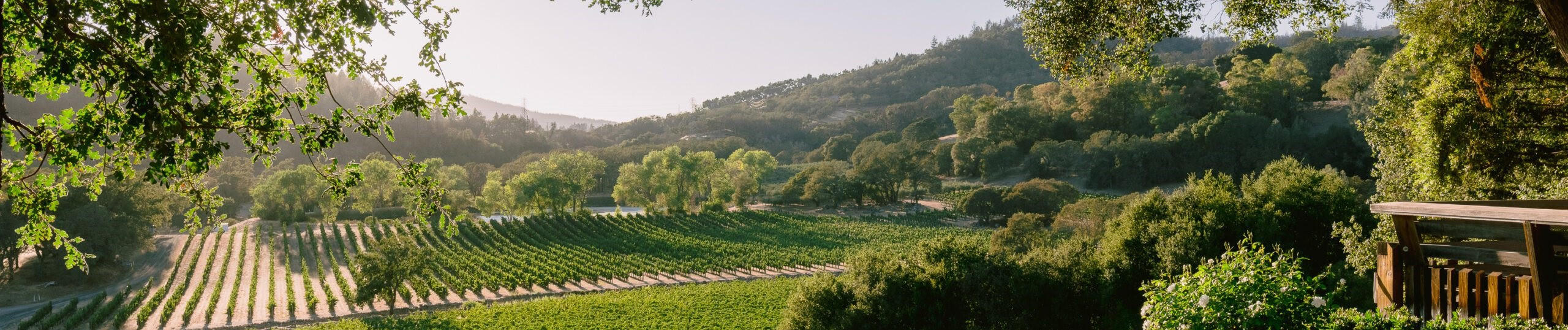
A wine region is defined by more than its borders. Climate sets the growing conditions, from cool mornings that preserve acidity to long, warm afternoons that build ripeness. Soil composition, whether limestone, clay, or gravel, affects drainage and how a vine expresses itself over time. Altitude and proximity to water can help to moderate temperature swings across the growing season.
European regions (sometimes called Old World regions) typically layer regulation on top of geography. Systems such as France's Appellation d’Origine Contrôlée (AOC) or Italy's DOC define which grape varieties can be planted, how they can be trained, and sometimes even the minimum ageing period before release. The result is a style shaped as much by tradition and legal framework as by the land itself.
New World vs Old World
The distinction between Old World (European regions) and New World (generally outside Europe) wine is really a distinction in approach. European producers tend to work within established appellation rules that prioritise regional identity and consistency over individual expression. Wines are almost always labelled by place, such as Chablis or Rioja , rather than by grape variety.
Beyond Europe - in Australia , California , Chile , New Zealand and further afield - producers generally have more freedom to experiment with grape variety, oak treatment, and winemaking technique. Wines here are typically labelled by grape variety rather than place, since the regulatory frameworks are less prescriptive. Neither approach is inherently superior. Climate, winemaking philosophy, and the producer's own style all shape the outcome as much as which side of the divide a region falls on.
Find the perfect wine with Berry Bros. & Rudd
Already have a name in mind? Skip the region list and go straight to it in our full producer directory. If you're after something to open tonight rather than lay down, The Any Day Edit and Midweek Wines round up some of our most popular drink-now bottles, no cellar required.
Building toward something longer-term? Our guide to wine collecting covers the producers and vintages worth setting aside, whether for a future occasion or simply for the pleasure of watching a wine come into its own. Provenance matters just as much as the bottle itself here, which is why every case traded through BBX , our fine wine exchange, is checked and authenticated by our own expert team.



Registered company 05492886. BB&R Limited, trading as Berry Bros. & Rudd, 3 St James's Street, London, SW1A 1EG. All rights reserved. You must be 18 or over to order. Calls may be recorded.
